

تلفن:+86-0572-2926332 / 2926337

ایمیل:[email protected]
 درخواست یک نقل قول

 fa
fa  简体中文
简体中文مواد سرامیک صنعتی: انواع، خواص و انتخاب برای پردازش آلومینیوم
2026.09.02
یک خط دایکاست در شرق چین هر سه هفته یک بار روتورهای گاز زدایی را جایگزین می کرد. شفت روتور فرسایش قابل مشاهده را نشان داد و مذاب آلومینیوم اجزای تیره را برداشت. پس از تغییر به روتور سرامیکی نیترید سیلیکون، همان شفت بیش از پنج ماه دوام آورد. در سرویس آلومینیوم مذاب، ماده ای که انتخاب می کنید جزییات جزئی نیست. مواد سرامیکی صنعتی تعیین میکنند که چند وقت یکبار تولید را متوقف میکنید، چه مقدار ضایعات تولید میکنید و آیا ریختهگریهای نهایی شما الزامات سطح و تخلخل را برآورده میکنند یا خیر.
چه چیزی مواد سرامیکی صنعتی را تعریف می کند؟
مواد سرامیک صنعتی جامدات غیرآلی و غیرفلزی هستند که از پودرهای تصفیه شده تولید شده و با تف جوشی در دمای بالا یکپارچه می شوند. برخلاف سرامیک های رسی سنتی، این ترکیبات پیشرفته برای شرایط مکانیکی، حرارتی و شیمیایی خاص مهندسی شده اند. آنها سختی بالا، مقاومت فشاری عالی، هدایت الکتریکی کم و مقاومت در برابر اکسیداسیون و خوردگی را ارائه می دهند. در متالورژی در دمای بالا، مهمترین ویژگی ها مقاومت در برابر شوک حرارتی، بی اثری شیمیایی نسبت به فلز مذاب و پایداری ابعادی در دمای عملیاتی است.
مسیر تولید به اندازه شیمی اهمیت دارد. ماده ای با ساختار دانه ریز و یکنواخت و تخلخل کنترل شده متفاوت از همان ترکیب با دانه های درشت یا منافذ باز باقیمانده عمل می کند. به همین دلیل است که دو تامینکننده میتوانند نام مواد مشابهی را نقلقول کنند و همچنان قطعاتی را با عمر مفید بسیار متفاوت تحویل دهند.
خانواده مواد اصلی در سرامیک های صنعتی
سرامیک های صنعتی یک ماده واحد نیستند. بازار صنعتی از چندین خانواده استفاده می کند که هر کدام دارای ترکیبی از خواص متفاوت هستند. جدول زیر رایج ترین انواع و نقاط قوت مشخصه آنها را خلاصه می کند.
| مواد | نقاط قوت کلیدی | محدودیت دمای معمولی | نرم افزار تماس مشترک فلزی |
|---|---|---|---|
| آلومینا (Al2O3) | سختی بالا، مقاومت در برابر سایش، عایق الکتریکی خوب | 1600-1800 درجه سانتیگراد | رسانه های ذخیره سازی حرارتی، پوشش های کوره |
| نیترید سیلیکون (Si3N4) | مقاومت در برابر شوک حرارتی استثنایی، خیس شدن کم توسط آلومینیوم، چقرمگی شکست بالا | 1300-1400 درجه سانتیگراد | روتورهای گاز زدایی، لوله های رایزر، لوله های محافظ بخاری |
| آلومینیوم تیتانات (Al2TiO5) | انبساط حرارتی بسیار کم، مقاومت در برابر شوک حرارتی قوی، هدایت حرارتی کم | 1500 درجه سانتی گراد | آستر لباسشویی، آستین دروازه، لوله های بلند کننده ساقه |
| کاربید سیلیکون (SiC) | هدایت حرارتی بالا، سختی بالا، مقاومت در برابر اکسیداسیون | 1600 درجه سانتیگراد | عناصر گرمایش، قطعات سایش |
| زیرکونیا (ZrO2) | استحکام بالا، چقرمگی بالا، هدایت یونی خوب | 1000 درجه سانتی گراد | قطعات سایش دقیق، ابزار برش |
هر خانواده مشکل متفاوتی را حل می کند. برای آلومینیوم مذاب، قطعات استاندارد آلومینا میتوانند برای پوششهای استاتیک عملکرد خوبی داشته باشند، اما در جایی که قطعه باید از گرمایش سریع و غوطهور شدن مستقیم در فلز مایع دوام بیاورد، نیترید سیلیکون و تیتانات آلومینیوم اغلب عمر طولانیتری دارند.
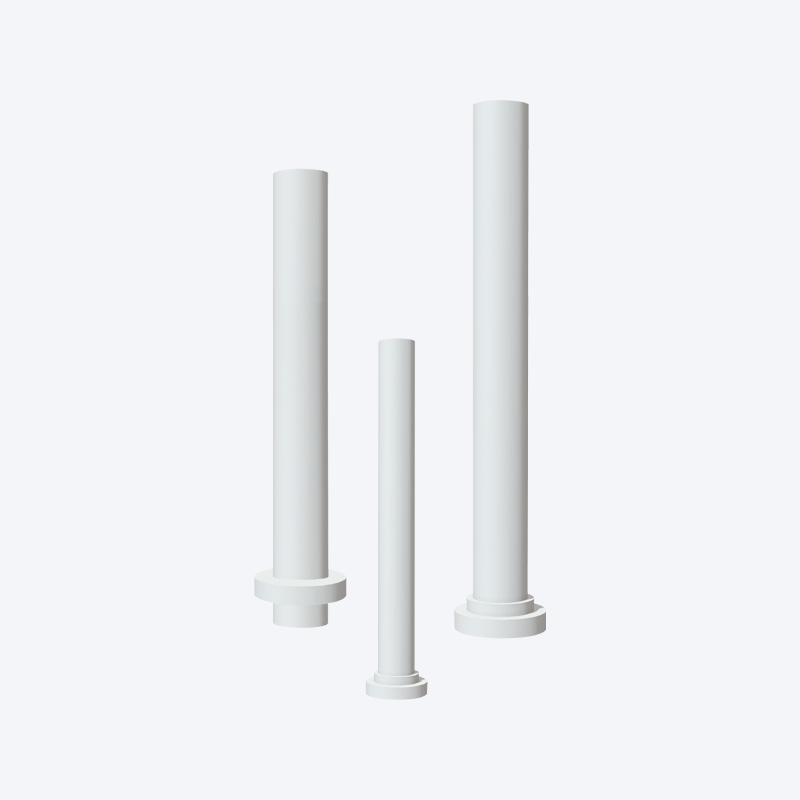
به عنوان مثال، اگر در حال سرویس دهی به یک خط ریخته گری کم فشار هستید، لوله رایزر باید از غوطه ور شدن در مذاب آلومینیوم 750 درجه سانتیگراد در امان بماند و در عین حال به صورت مکانیکی نیز پشتیبانی شود. لوله های افزایش دهنده نیترید سیلیکون مورد علاقه هستند زیرا با فلز واکنش نمی دهند و می توانند تا ابعاد دقیق ماشین کاری شوند. از سوی دیگر، لوله های افزایش دهنده تیتانات آلومینیوم زمانی انتخاب می شوند که شوک حرارتی نگرانی غالب باشد. درک این مبادلات اولین گام برای یک مشخصات سرامیکی قابل اعتماد است.
چرا ریخته گری آلومینیوم به سرامیک های پیشرفته متکی است؟
آلومینیوم مذاب یک محیط سخت است. این فلز از نظر شیمیایی تهاجمی است و به طور مداوم اجزای آهن و فولاد را در خود حل می کند. همچنین بسیاری از سطوح اکسید را خیس می کند که منجر به تجمع و از بین رفتن هسته می شود. چرخه حرارتی یک واقعیت روزانه است: یک جزء ممکن است از قبل گرم شود، در حمام در دمای 700-800 درجه سانتیگراد غوطه ور شود و سپس در طول تغییر خط خنک شود. سرامیک های صنعتی این سه مکانیسم شکست را برطرف می کنند: حمله شیمیایی، خیس شدن و شوک حرارتی، بهتر از هر جایگزین فلزی.
برای مثال گاز زدایی را در نظر بگیرید. روتور می چرخد و گاز بی اثر را به مذاب تزریق می کند تا هیدروژن و آخال ها را حذف کند. اگر مواد روتور نسبت به آلومینیوم مذاب بی اثر نباشد، پوسته پوسته می شود یا حل می شود. اینجاست که نیترید سیلیکون تفاوت مستقیم ایجاد می کند.
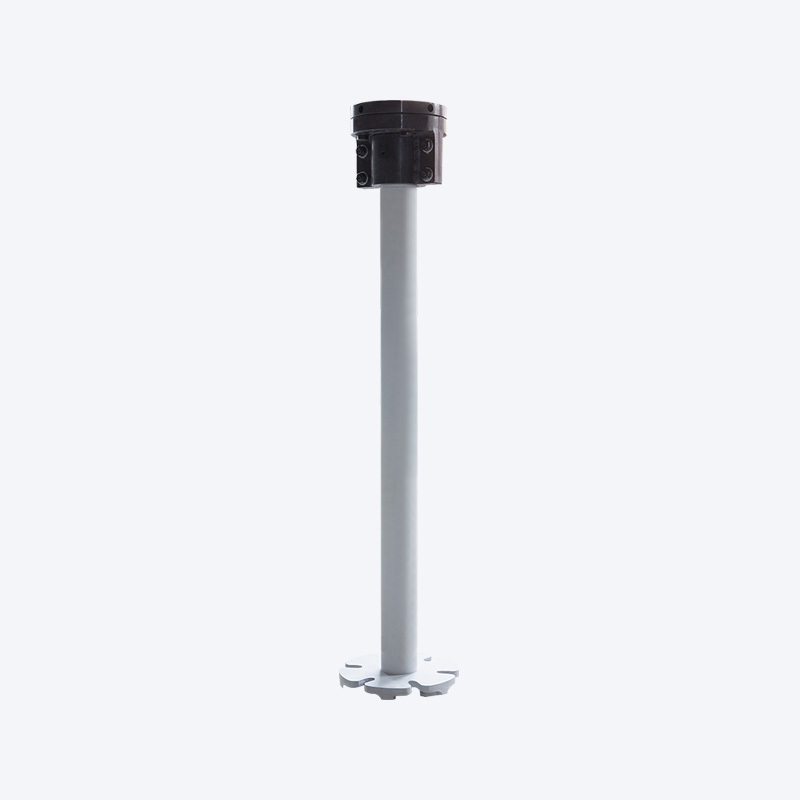
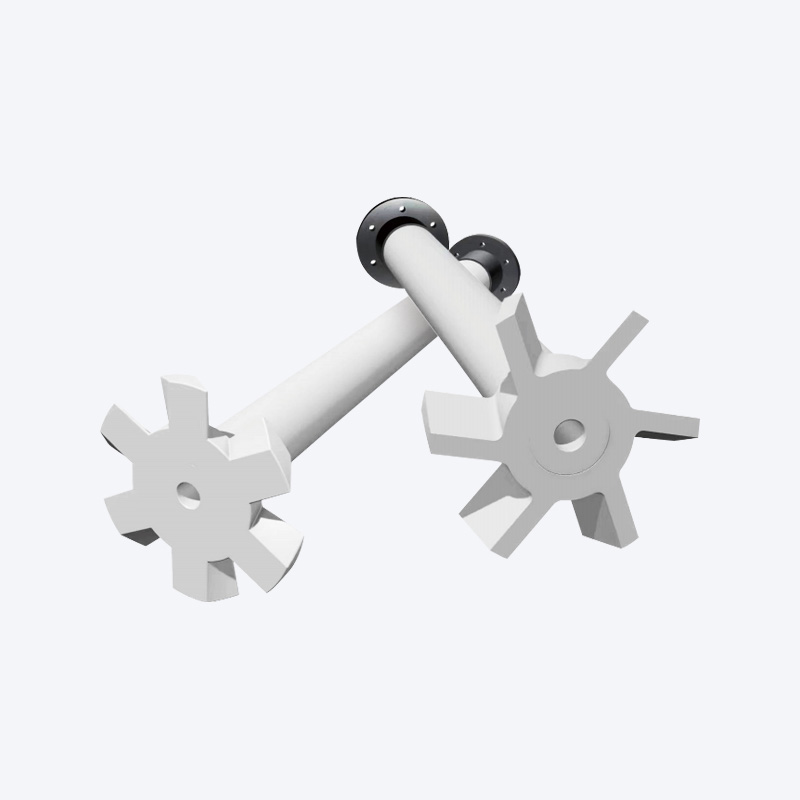
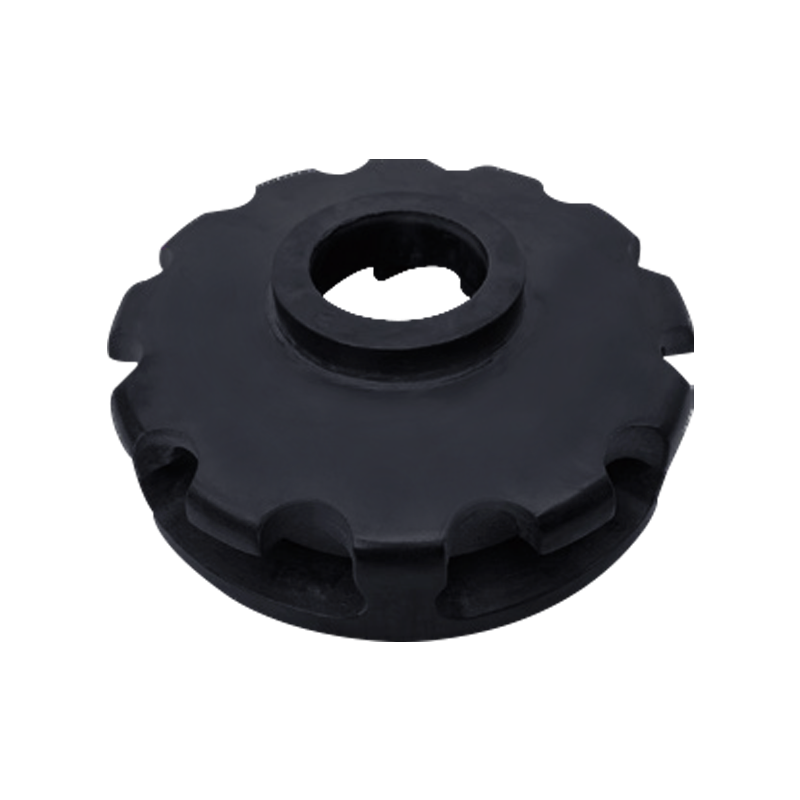 روتور گاز زدایی سرامیکی نیترید سیلیکون برای تصفیه مذاب آلومینیوم این روتور نیترید سیلیکون در برابر اکسیداسیون مقاومت می کند و نه با آلومینیوم و نه با مذاب آن واکنش نشان می دهد و امکان کار با سرعت بالا در 600 دور در دقیقه با تمرکز دقیق را فراهم می کند. عمر طولانی آن تغییرات روتور را کاهش می دهد و عملکرد گاز زدایی پایدار را برای فلز تمیزتر حفظ می کند. مشاهده محصول →
 نیترید سیلیکون دارای ترشوندگی کم نسبت به آلومینیوم و چقرمگی شکست است که به روتور اجازه می دهد بدون ترک با سرعت کار کند. نتیجه تغییرات روتور کمتر، توزیع گاز ثابت و فلز تمیزتر است.
سیستم های لباسشویی یکی دیگر از مکان های با سایش بالا هستند. آلومینیوم از کوره به ایستگاه ریخته گری در یک فرورفتگی جریان می یابد. روکش فولادی ملایم یا آجر نسوز می تواند ترک بخورد و فرسایش یابد. تیتانات آلومینیوم برای انبساط حرارتی کم و هدایت حرارتی کم فرموله شده است، به این معنی که آستر می تواند در گرما و سرمایش مکرر بدون پوسته شدن دوام بیاورد. برای راه حلی بدون نیاز به تعمیر و نگهداری، سری لباسشویی با روکش سرامیکی را می توان به عنوان یک لاینر از پیش ساخته شده مشخص کرد.
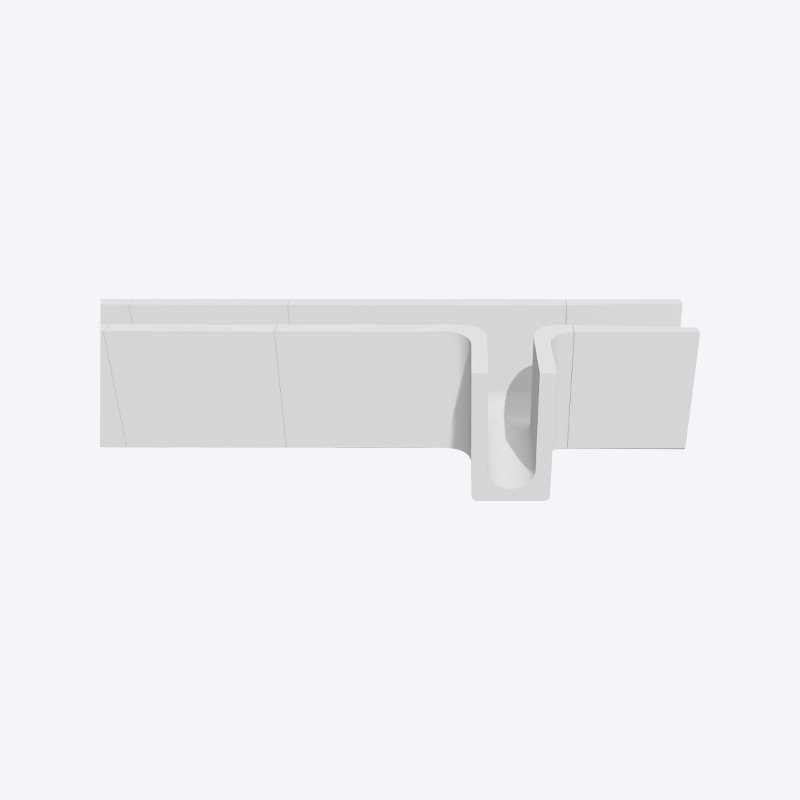 لباسشویی با پوشش سرامیکی آلومینیوم تیتانات بدون نیاز به تعمیر و نگهداری این سرامیک تیتانات آلومینیومی که به عنوان یک لایه از پیش ساخته شده طراحی شده است، انبساط حرارتی کم و مقاومت در برابر شوک حرارتی عالی را ارائه می دهد. رطوبت یا آلومینیوم خیس را جذب نمی کند و نیاز به پوشش های محافظ را از بین می برد و زمان خرابی تعمیرات آستر را کاهش می دهد. مشاهده محصول →
 اتلاف گرما را کاهش می دهد، جریان فلز را تمیز نگه می دارد و خرابی های مکرر مرتبط با پوشش مجدد را از بین می برد.
لوله های محافظ بخاری یکی دیگر از رابط های مهم است. عنصر گرمایش ممکن است فلز یا گرافیت باشد، اما لوله باید آن را بدون آلودگی از مذاب جدا کند. لوله های محافظ نیترید سیلیکون رسانایی حرارتی بالایی دارند، بنابراین بخاری به سرعت پاسخ می دهد، در حالی که دیواره سرامیکی از تماس مستقیم بین المنت و آلومینیوم جلوگیری می کند. این پیکربندی در نگهداری کوره هایی که دقت دما اهمیت دارد رایج است.
این رفتارها پیامدهای مستقیمی در عملیات ریخته گری و ریخته گری آلومینیوم ، که در آن قابلیت اطمینان جزء به طور مستقیم به زمان تولید ترجمه می شود.
اشتباهات رایج در انتخاب
حتی خریداران با تجربه هم در همین تله ها می افتند. مراقب این موارد باشید:
- انتخاب یک ماده صرفا بر اساس درجه حرارت حداکثر، بدون در نظر گرفتن مقاومت شوک حرارتی. بخشی که می تواند در دمای 1600 درجه سانتیگراد زنده بماند اما بعد از 50 چرخه ترک می خورد در ریخته گری آلومینیوم بی فایده است.
- با فرض اینکه تمام نیترید سیلیکون یکسان باشد. سیستم بایندر، مواد افزودنی تف جوشی و پرداخت سطحی می توانند مقاومت در برابر خوردگی را با یک مرتبه تغییر دهند.
- نادیده گرفتن تحمل ابعادی در سیستم مونتاژ شده. یک سرامیک با شیمی مناسب اما تحمل بیش از حد می تواند باعث آب بندی ضعیف سیال یا تماس حرارتی ناهموار شود.
- تمرکز فقط روی قیمت واحد یک قطعه کمهزینه که در نیمی از چرخهها از کار میافتد، هزینه کار و خرابی شما را دو برابر میکند.
نحوه انتخاب مواد سرامیک صنعتی مناسب
قوی ترین سرامیک همیشه انتخاب درستی نیست. انتخاب فرآیند تطبیق مواد با شرایط خدمات واقعی است. با این شش سوال شروع کنید:
- حداکثر دمای کاری چقدر است و دما با چه سرعتی تغییر می کند؟
- آیا قطعه با فلز مذاب، بخار یا گازهای تهاجمی تماس دارد؟
- آیا قطعه در معرض بار مکانیکی، ارتعاش یا چرخش با فرکانس بالا قرار دارد؟
- آیا به عایق حرارتی یا هدایت حرارتی بالا نیاز دارید؟
- فاصله نگهداری و هزینه تعویض مورد انتظار چقدر است؟
- چه تلرانس یا دقت ابعادی برای سیستم مونتاژ نهایی مورد نیاز است؟
به عنوان مثال، در یک سیستم بازیابی حرارت کوره، از گلوله های آلومینا برای ذخیره و آزادسازی گرما استفاده می شود. دلیل اصلی انتخاب گرمای ویژه بالا، مقاومت در برابر سایش و رفتار پایدار در اتمسفرهای چرخهای است.
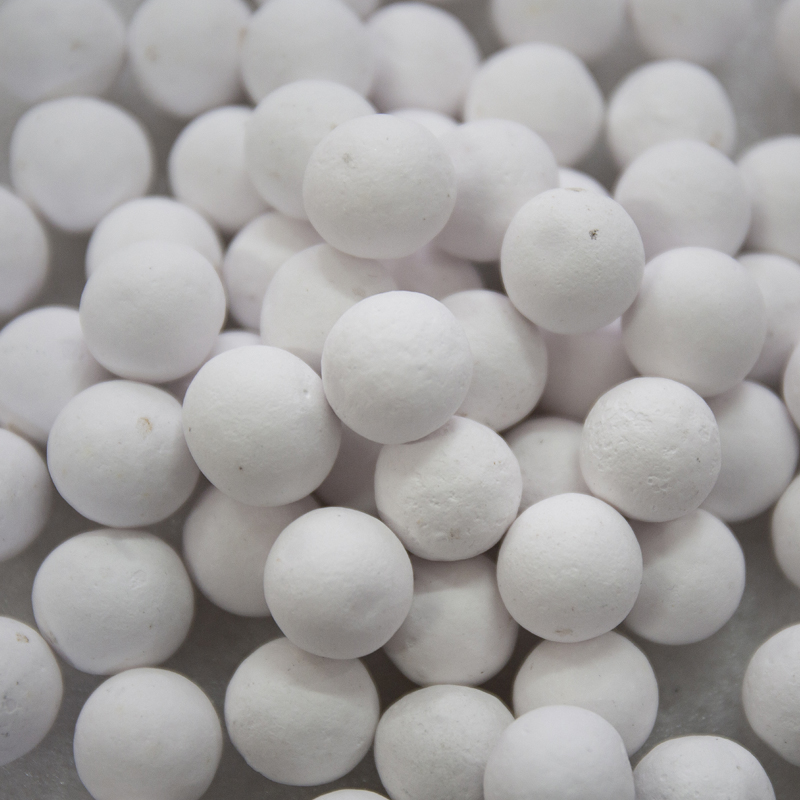 توپ های ذخیره حرارتی کوراندوم با خلوص بالا برای بازیابی حرارت این گلوله های کوراندومی با محتوای 99.5 درصد آلومینا، استحکام بالا، پایداری شوک حرارتی و مقاومت در برابر خوردگی را ارائه می دهند. آنها گرما را به طور موثر در اتمسفرهای چرخه ای ذخیره و آزاد می کنند و عمر طولانی تر و صرفه جویی در انرژی را در سیستم های کوره ارائه می دهند. مشاهده محصول →
 یک گزینه کوراندوم با خلوص بالا در برابر آلودگی مقاومت می کند و ساختار خود را پس از هزاران چرخه حرارتی حفظ می کند. هنگامی که جزء یک لوله محافظ بخاری است، خاصیت تعیین کننده مقاومت در برابر شوک حرارتی و بی اثری شیمیایی است. خواندن راهنما در مزایای مواد سرامیکی صنعتی می تواند به شما در درک نحوه رفتار خانواده های مختلف در برنامه های خاص کمک کند. نکته اصلی این است که هر خرید سرامیک صنعتی باید به یک حالت خرابی مستند مرتبط باشد. اگر نمی دانید چرا مولفه فعلی شما خراب می شود، نمی توانید ماده بهتری را انتخاب کنید.
نتیجه: مواد را با عملیات مطابقت دهید
مواد سرامیک صنعتی کالاهای قابل تعویض نیستند. هر خانواده دارای مشخصات دارایی است که به نفع محیط های خاصی است. در آلومینیوم مذاب، نیترید سیلیکون قابلیت اطمینان را برای قطعات متحرک مانند روتورها و لوله های بالابر ارائه می دهد. آلومینیوم تیتانات شوک حرارتی و عایق را در اجزای لباسشویی استاتیک و کنترل جریان کنترل می کند. آلومینا مبتنی بر کوراندوم به عنوان یک رسانه ذخیره سازی حرارتی کارآمد عمل می کند. یک فرآیند انتخاب منضبط باید با حالت شکست واقعی شروع شود، سپس گزینه های مواد محدود شود و در نهایت بخش انتخاب شده در یک آزمایش کنترل شده اعتبار سنجی شود. این رویکرد زمان خرابی را کاهش می دهد، کیفیت فلز را بهبود می بخشد و هزینه کل مالکیت را کاهش می دهد.
محصولات داغ

برای دریافت قیمت و قیمت با ما تماس بگیرید
فقط به ما اطلاع دهید که چه می خواهید، و ما در اسرع وقت با شما تماس خواهیم گرفت!

ما به توسعه و تولید مواد سرامیکی پیشرفته تر برای صنعت پردازش آلومینیوم ادامه خواهیم داد.
کد QR موبایل را اسکن کنید
تماس بگیرید
 +86-18501518842 / +86-13587222672
 +86-0572-2926332 / 2926337
 2926335-0572-86+
 [email protected] / [email protected] /
  ساختمان شماره 11، پارک صنعتی تولید هوشمند با فناوری پیشرفته جنوب تایهو، منطقه وکسینگ، شهر هوژو، ژجیانگ، چین
Copyright© 2024 شرکت فناوری مواد ویژه Zhejiang Shangguijuli, Ltd. All Rights Reserved. تامین کننده مواد سرامیک


